Alliances and Raiding in Dead Zone Revive
Cooperate with survivors — and survive when players hit your compound.
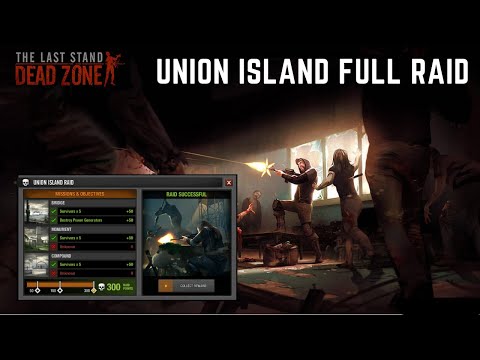
Beyond solo Scavenging Missions, Dead Zone Revive layers alliances and player raiding on the compound loop. Alliances coordinate farms, share intel, and bulk-defense weak bases. Raiding lets players attack other compounds for high-stakes loot and territory drama. Ruby Realms Studios and Switch Compagnie ship these systems inside a not-for-profit fan revival licensed with Con Artist Games — no pay-to-win mercenary hires, just social risk and reward.
Understand Compound Setup before joining hardcore PvP alliances. Read How to Play for where social systems sit in progression.
Why alliances exist
Alliances are more than chat rooms:
- Scheduled mission groups — role stacks with Leader, Medic, and Fighter coverage.
- Shared intel — which zones are hot, which Map routes are mined out.
- Defense callouts — online defenders during raid windows.
- Economy swaps — duplicate blues and blueprint trades via trust networks.
Solo play remains valid early. Alliances accelerate mid-game when Crafting and Loot goals need rare drops and Resource Checklist mats you cannot farm alone efficiently.
Early Access warning: alliance permissions, raid timers, and loot rights may change between patches. Verify on Updates after each social-system note.
Joining versus founding
Join an existing alliance if:
- You want immediate mission groups.
- You accept house rules on loot splits and voice comms.
- Your compound is modest — mentors help with Beginner Tips.
Found an alliance if:
- You can recruit consistently and enforce rules.
- You enjoy diplomacy and scheduling more than solo grinding.
- Your Compound Setup can host alliance utilities if required.
Avoid random invites before reading Links and Review community reports on toxic alliances — reputation sticks in a fan-run game.
Alliance etiquette
Healthy alliances run on clear rules:
- Loot priority — need before greed on blueprint drops.
- Mission roles — who scouts (Recon), who carries meds.
- Build permissions — never grant compound edit rights casually.
- Offline defense — who logs in when raid alerts fire.
- Drama channel — disputes handled privately, not public spam.
Dead Zone Revive is English UI only today; alliance chat is often English-heavy even with international players on Steam and browser.
Player raiding basics
Raiding attacks player compounds, not mission instances. Typical flow:
- Scout target — weak walls, offline timers, juicy outer storage mistakes.
- Assemble raiders — Fighters and Engineers for breaching.
- Breach perimeter — traps from Compound Setup slow but rarely stop coordinated pushes.
- Loot secured storage — rules define what transfers.
- Extract from compound map before counter-reinforcements arrive.
Defenders use the same map in reverse: chokepoints, turret arcs, alliance reinforcements.
Exact loot transfer percentages and raid cooldowns are patch-sensitive — do not cite fake numbers here. Read live patch notes instead.
Defending your compound
Raid defense checklist:
- Inner vault — rare items not touching outer wall.
- Alarm habits — alliance ping when logging off during raid windows.
- Trap maintenance — armed traps beat empty kill boxes.
- Decoy layers — cheap outer crates, real stash core inside.
- Loadout locker — pre-pull defense gear via Loadout Planner.
Assign an Engineer officer if your alliance uses role titles — trap recharge speed matters nightly.
Raiding ethically (yes, really)
Even in PvP, fan communities survive on norms:
- Do not exploit known glitches through walls — report them.
- Avoid camping brand-new players unless the game explicitly flags PvP zones.
- Honor alliance truces unless war is declared in whatever system the patch provides.
This project is a not-for-profit revival in agreement with Con Artist Games — griefing drives away the player base everyone needs.
When to opt out of raids
Skip hardcore raid meta if:
- You play casually on browser with irregular hours.
- Compound investment is mostly PvE crafting — see Crafting and Loot.
- Stress outweighs fun — Dead Zone Revive is still a game.
Many alliances offer PvE-only wings with optional defense rotations. Ask before joining.
Linking social play to solo grind
Use alliances as accelerators, not crutches:
| Solo skill | Alliance multiplier |
|---|---|
| Mission routing | Shared Map timers |
| Blueprint hunts | Target callouts |
| Class builds | Tier List theory in voice chat |
| Base upgrades | Mat donations and defense shifts |
Return to Scavenging Missions when politics exhaust you — loot always respects a clean extract.
Reporting problems
Harassment, exploit raids, or permission griefing should go to official moderation channels, not wiki comments. Document dates and survivor names; Early Access moderation tooling may still be incomplete.
Alliances and raiding turn Dead Zone Revive from a personal bunker into a neighborhood — cooperative, competitive, and occasionally loud. Choose neighbors wisely, wall your vaults smarter, and read Updates before declaring war on patch day.
Frequently Asked Questions
Quick answers for survivors in the Dead Zone.
Are alliances required in Dead Zone Revive?
No. You can solo the PvE loop. Alliances speed farming, blueprint trades, and compound defense when player raiding heats up.
Can other players raid my compound offline?
Raid rules depend on current Early Access settings. Assume offline bases are vulnerable until patch notes or in-game shields say otherwise.
Is raiding pay to win?
Official positioning is not-for-profit with no pay-to-win. Raid success comes from gear, compound layout, and coordination — not cash shop bombs.
How do I find a good alliance?
Look for clear loot rules, active mission groups, and mature chat. Links and Review sometimes mentions community reputation; ask in global chat after you have basic gear.
What class helps alliance defense most?
Engineer for traps and deployables, Fighter for chokepoint DPS, Leader for organize counters. See Class Overview for role details.